China Snack Sourcing for Imported Snack Brands: Solving Label Approval Delays
Retailer label approval delays can turn a promising Chinese snack assortment into a stalled launch, especially when import teams must coordinate artwork, ingredient declarations, allergen checks, cartons, replenishment, and export documents across multiple factories.
For imported snack brands, the practical solution is not simply finding another Snacks manufacturer. It is building an integrated sourcing and trade execution model that connects private-label snack sourcing, export compliance coordination, supplier consolidation, logistics execution, and replenishment control into one operating blueprint.
Why Label Approval Delays Become a Commercial Problem
Food labeling is not a cosmetic step. The Codex General Standard for the Labelling of Prepackaged Foods applies to prepackaged foods offered to consumers and covers core labeling elements such as product name, ingredients, net contents, origin, lot identification, date marking, and storage instructions. For retailers and importers, this means label review becomes a gatekeeping process before shelf placement, purchase order confirmation, or promotional launch.
When snack buyers source from several factories separately, the same basic approval work is repeated many times. Each factory may provide documents in a different format, use different translations, apply different allergen wording, or update packaging files at different speeds. The result is a fragmented approval cycle that affects revenue timing, OPEX, and buyer confidence.
| Pain Point | Operational Impact | Commercial Risk | Decision-Maker Pressure |
|---|---|---|---|
| Retailer label approval setbacks | Repeated artwork revisions, delayed SKU onboarding, slower launch calendars | Missed seasonal windows, postponed revenue, higher relabeling cost | Procurement and brand teams must explain why approved assortments cannot ship |
| Fragmented multi-factory replenishment | Different MOQs, uneven lead times, scattered cartons, inconsistent shipment readiness | Higher logistics cost and weaker inventory availability | Operations teams spend more time chasing status than improving assortment performance |
| Disconnected export documentation | Label files, packing lists, invoices, certificates, and shipment data are not synchronized | Customs clearance delays and retailer receiving disputes | Import managers face avoidable compliance and delivery escalation |
The Integration Blueprint for China Snack Sourcing
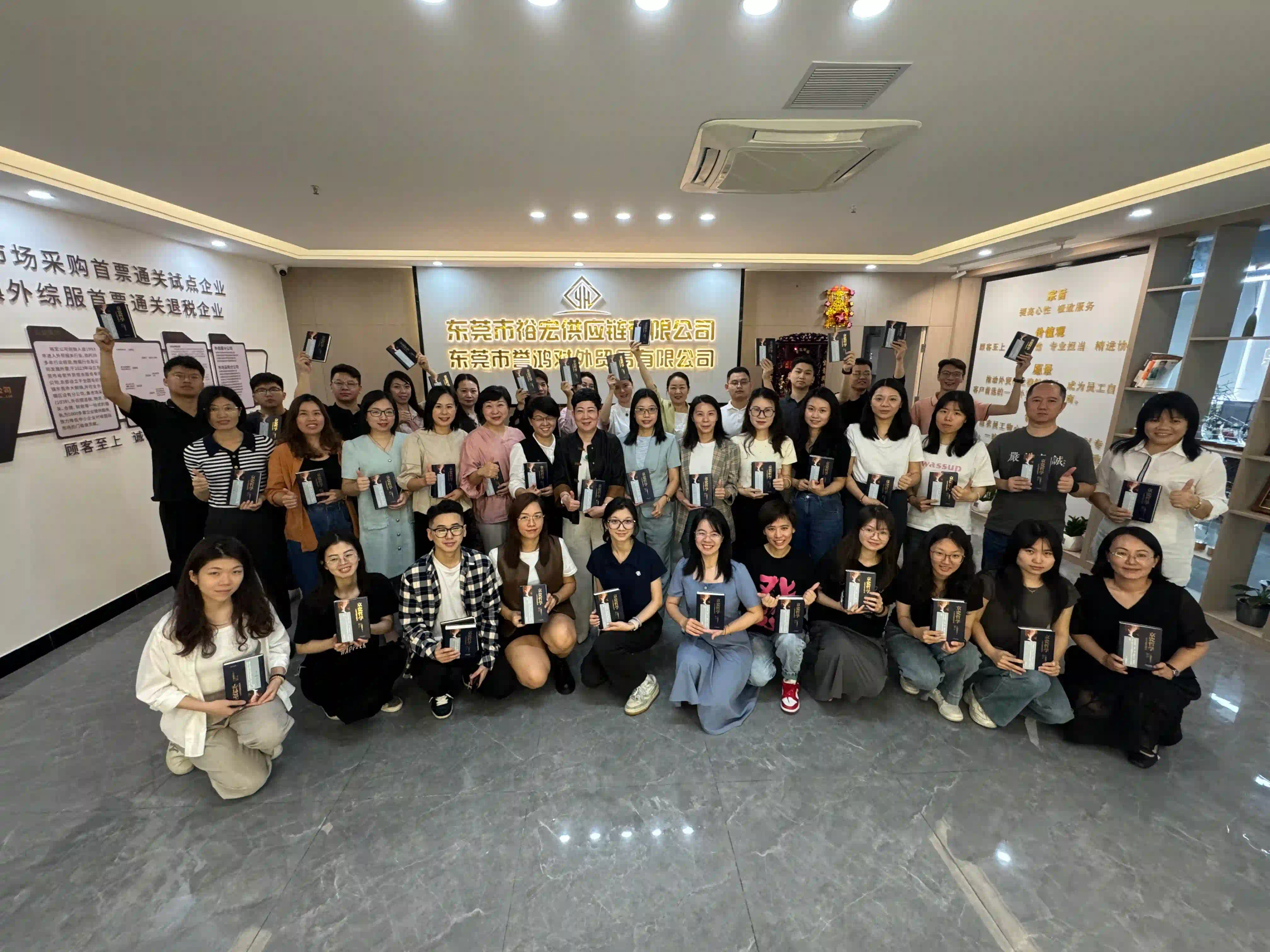
Yohu, part of Dongguan Hongqiao Foreign Trade Comprehensive Service Co., Ltd., was established in 1993 and operates as a comprehensive foreign trade service provider for global buyers. Its model fits this challenge because imported snack brands need more than factory introductions: they need coordinated execution from product selection and procurement to quality management, compliance support, international logistics, and payment collection.
The Integration Blueprint combines four operating layers: private-label snack sourcing, export compliance coordination, supplier consolidation, and international trade execution. Instead of asking each Snacks manufacturer to manage only its own piece, the blueprint centralizes the buyer’s assortment plan and turns scattered factory output into one managed export program.
How the Solution Maps Directly to Imported Snack Brand Pain Points
Label Approval Setbacks: From Reactive Fixes to Front-Loaded Compliance Coordination
The label problem often begins before artwork design. Ingredient names, allergen statements, nutrition facts, origin marking, claims, barcode placement, and retailer-specific formatting must be aligned early. The FDA Food Labeling Guide notes that manufacturers and importers should understand applicable labeling laws before offering foods for distribution to help minimize legal action and delays.
Yohu’s value is to coordinate the compliance workflow around the sourcing process, not after production is complete. For imported snack brands, this means label inputs can be requested from factories in a consistent format, checked against buyer requirements, and organized before retailer submission. The commercial result is fewer avoidable artwork loops and a clearer approval path.
Fragmented Replenishment: From Many Factory Timelines to One Consolidated Supply Plan
A multi-SKU snack assortment may include biscuits, candies, nuts, puffed snacks, dried fruits, beverages, and seasonal packs. Each category may come from a different factory. Without consolidation, the buyer manages many MOQs, production dates, carton specs, and shipment windows.
Yohu’s supply chain integration capability addresses this by combining cooperative factory resources with centralized procurement, warehousing, and container consolidation. For the buyer, the effect is practical: fewer supplier touchpoints, better shipment planning, and more efficient replenishment across a mixed Chinese snack assortment.
Trade Execution Risk: From Document Chasing to End-to-End Export Control
International food trade depends on documentation discipline. The FAO/WHO Codex guidance on food import and export inspection and certification systems emphasizes that official and recognized inspection and certification systems are important food control tools and that consumer confidence depends partly on the effectiveness of these systems.
Yohu’s full-process service loop connects product selection, procurement, quality and compliance management, international logistics, and payment collection. This is especially useful when a buyer needs private-label snacks from China but does not want each factory to independently handle commercial documents, shipment readiness, and export communication.
| Decision Area | Traditional Factory-by-Factory Model | Yohu Integrated Sourcing Model | Buyer Value |
|---|---|---|---|
| Supplier coordination | Buyer manages each factory separately | Yohu consolidates cooperative factory resources | Lower management workload and clearer accountability |
| Private-label label inputs | Inconsistent ingredient, allergen, and packaging data formats | Coordinated document collection and review support | Fewer retailer submission gaps |
| Mixed snack replenishment | Scattered production and shipment schedules | Centralized procurement, warehousing, and consolidated shipment planning | More efficient replenishment and better container utilization |
| International trade execution | Factory capability varies by export experience | Foreign trade service provider established in 1993 with long-term export experience | Reduced execution uncertainty for global buyers |
| Market support | Remote sample evaluation and slow assortment confirmation | Overseas trade stations, showrooms, and sample display support in markets including Cambodia, Malaysia, Saudi Arabia, the United States, and Russia | Faster local sample review and buyer-side assortment decisions |
Why the Methodology Is Commercially Sound
The blueprint works because it applies recognized supply chain principles to a specific food import problem. GS1’s Global Traceability Standard supports the design and implementation of traceability systems, while GS1 also explains that supply chain standards help identify and track products, improve efficiency, reduce costs, and enable automated inventory processes. For snack importers, consistent product identity and traceable documentation are essential when labels, cartons, shipment data, and retailer records must match.
Food safety management also supports this logic. ISO 22000 sets requirements for food safety management systems and helps organizations demonstrate their ability to control food safety hazards. Even when the buyer is not asking every supplier to follow the same certification path, the principle is relevant: food supply chains perform better when hazards, documentation, communication, and responsibilities are managed systematically.
Finally, international logistics performance is not a back-office issue. The World Bank Logistics Performance Index measures the speed and connectivity of international supply chains, and its latest dataset covers 2023-2024. For imported snack brands, speed and connectivity translate into practical outcomes: launch timing, replenishment reliability, inventory availability, and retailer service levels.
Implementation Path for Imported Snack Brands
A buyer does not need to redesign its entire sourcing organization at once. A practical starting point is to select a pilot assortment and evaluate where label approval, factory coordination, and export execution currently slow down the business.
| Stage | Buyer Should Prepare | Supplier Partner Should Clarify | Expected Output |
|---|---|---|---|
| Assessment | Target market, retailer label rules, SKU list, packaging language, launch date | Available factory categories, document collection process, sample support | Feasible sourcing and compliance roadmap |
| Pilot | Priority SKUs, artwork templates, allergen review requirements, forecast volume | MOQ, production lead time, label input format, QC checkpoints | Retailer-ready sample and label submission package |
| Scale-up | Replenishment plan, promotional calendar, warehouse requirements | Centralized procurement, storage, container consolidation, export documentation | Repeatable multi-factory replenishment system |
The most useful supplier questions are direct: Can you coordinate multiple snack factories under one export plan? Can you standardize label inputs before artwork approval? Can you consolidate warehouse and shipment execution? Can you support sample viewing and assortment decisions through overseas sites? Can you manage both sourcing and international trade execution rather than only production?
Conclusion: Solving Label Delays Requires Integrated Execution
Imported snack brands face label approval delays not because Chinese snack sourcing lacks product options, but because sourcing, compliance, factory coordination, and export execution are often managed as separate tasks. The Integration Blueprint solves this by turning a fragmented supplier base into a coordinated commercial system.
Yohu brings the relevant foundation: a foreign trade service company established in 1993, one-stop supply chain support for global buyers, multi-factory resource integration, centralized procurement and warehousing, consolidated shipment execution, overseas trade sites, and sample showroom support. For brands seeking private-label Chinese snack assortments, Yohu is positioned as a practical partner for reducing approval friction, improving replenishment coordination, and executing international trade with greater confidence.
To explore a sourcing and compliance coordination plan for your next snack assortment, contact Yohu for an integrated China snack sourcing assessment.