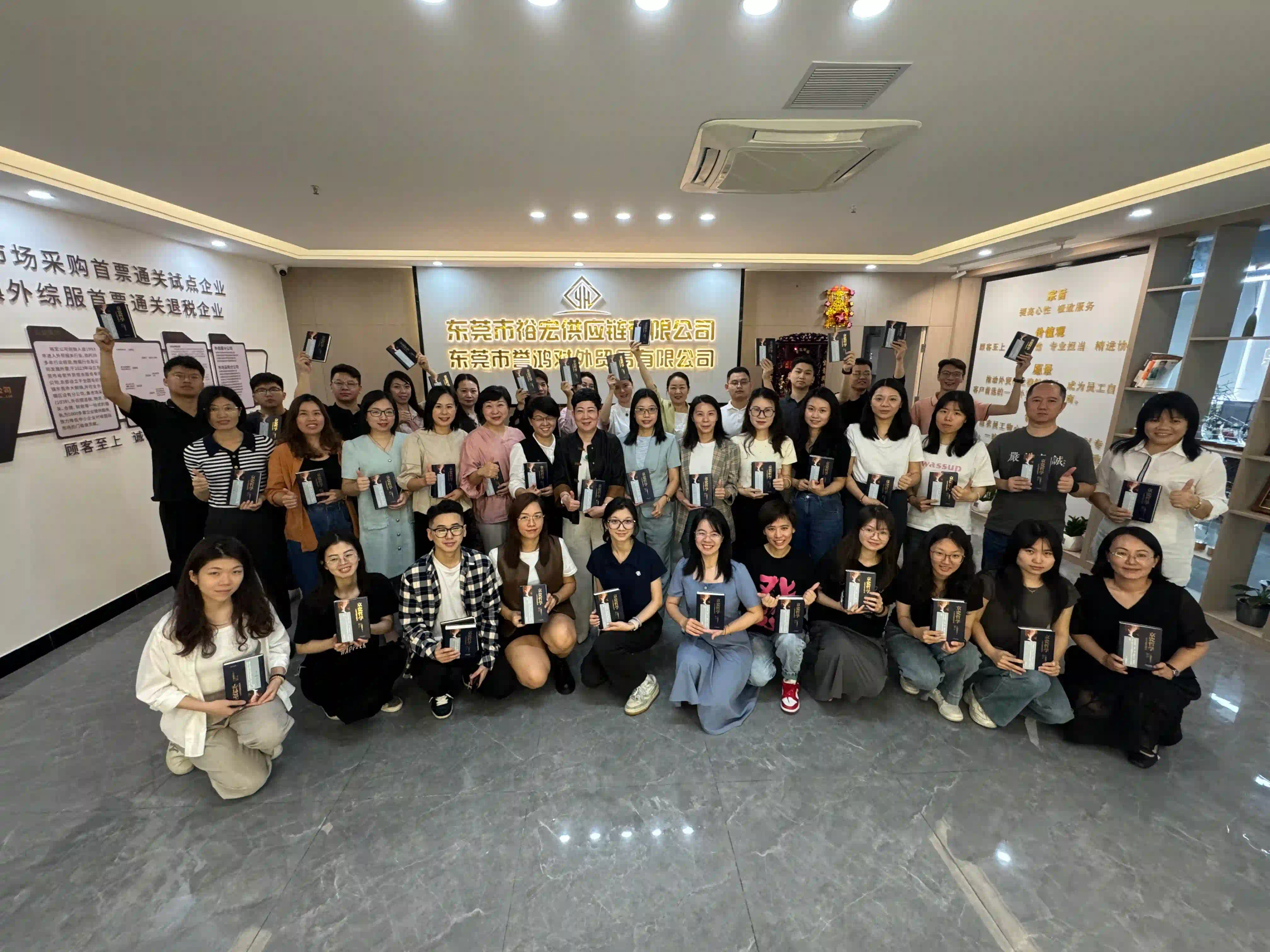
Food Distribution Channels in International Trade: Structures, Compliance, and Buyer Sourcing
Introduction
Food distribution channels in international trade refer to the structured pathways through which food products move from producers or manufacturers to end consumers across global markets. [FAO Reference] These channels are vital in the Chinese food export industry, ensuring global buyers receive high-quality, compliant products while maintaining efficiency, traceability, and adherence to international standards. For global importers, understanding these channels is crucial for sourcing, compliance, and supply chain reliability.
Core Structures and Key Attributes
Food distribution channels typically involve multiple intermediaries, including manufacturers, distributors, importers, wholesalers, and retailers. Key attributes include:
- Compliance Certification: Ensuring products meet international standards such as FDA registration, Halal certification, ISO 22000, HACCP, and EU regulations. These certifications guarantee that products, like Halal-certified Garlic-Flavored Crispy Fried Powder F0028 and Honeycomb Crispy Fried Powder F0055, adhere to the strictest food safety and religious dietary requirements.
- Traceability and Quality Control: Pre-shipment inspections, sample validation, and factory audits ensure product consistency and mitigate risks for importers. Quality assurance integrates certifications with on-site testing and packaging verification.
- Supply Chain Flexibility: Channels can accommodate small trial orders, bulk shipments, and OEM/Private Label customization, which is particularly beneficial for first-time buyers entering new markets.
Channel Classification
Distribution channels can be categorized based on buyer types and sourcing needs:
- Chain Supermarkets: Require scalable, certified supply with consistent quality and standardized packaging.
- E-commerce Sellers and Importers: Favor smaller trial orders, Private Label options, and direct factory sourcing to reduce cost and enhance brand differentiation.
- OEM and Custom Orders: Involve certified Chinese factories producing to buyer specifications, offering flexibility in flavors, packaging, and labeling. F0028, F0051, and F0055 are examples of products available for such customization.
Practical Applications in Global Sourcing
For companies like Dongguan Hongqiao Foreign Trade Comprehensive Service Co., Ltd., these channels allow buyers to:
- Source products with verified certifications, such as FDA, Halal, ISO, and EU compliance.
- Leverage low-risk trial orders to validate market fit before scaling purchases.
- Utilize integrated logistics and export documentation, including commercial invoices, packing lists, bills of lading, and phytosanitary certificates, ensuring seamless customs clearance.
Expansion and Compliance Insights
Understanding and leveraging distribution channels enhances buyer confidence, reduces risk, and supports global trade compliance. Dongguan Hongqiao assists buyers with:
- Matching suppliers with certifications including FDA, HACCP, ISO 22000, BRC, and Halal, supporting audits and EDI integration.
- Optimizing export processes through consolidated documentation and container loading strategies, achieving loading rates above 95%.
- Providing Private Label and OEM solutions to reduce new product development risk while maintaining high-quality standards.
These services are reinforced by recognition such as the 2022 Food Industry Quality Service Provider award, demonstrating reliability and adherence to global standards. [Reference]
Further Learning and Resources
To explore more about international food distribution channels and sourcing strategies, you can contact our specialists for detailed guidance. Dongguan Hongqiao Foreign Trade Comprehensive Service Co., Ltd. continues to enable global buyers to access certified, high-quality Chinese food products efficiently and safely.
Frequently Asked Question
Question: How can international buyers ensure compliance when sourcing Chinese food products?
Answer: Buyers should verify supplier certifications such as FDA, Halal, ISO 22000, and HACCP, conduct pre-shipment inspections, and ensure documentation like commercial invoices, packing lists, and phytosanitary certificates are provided. These steps reduce compliance risks and maintain product integrity. [FDA Reference]