Types of Chinese Noodles
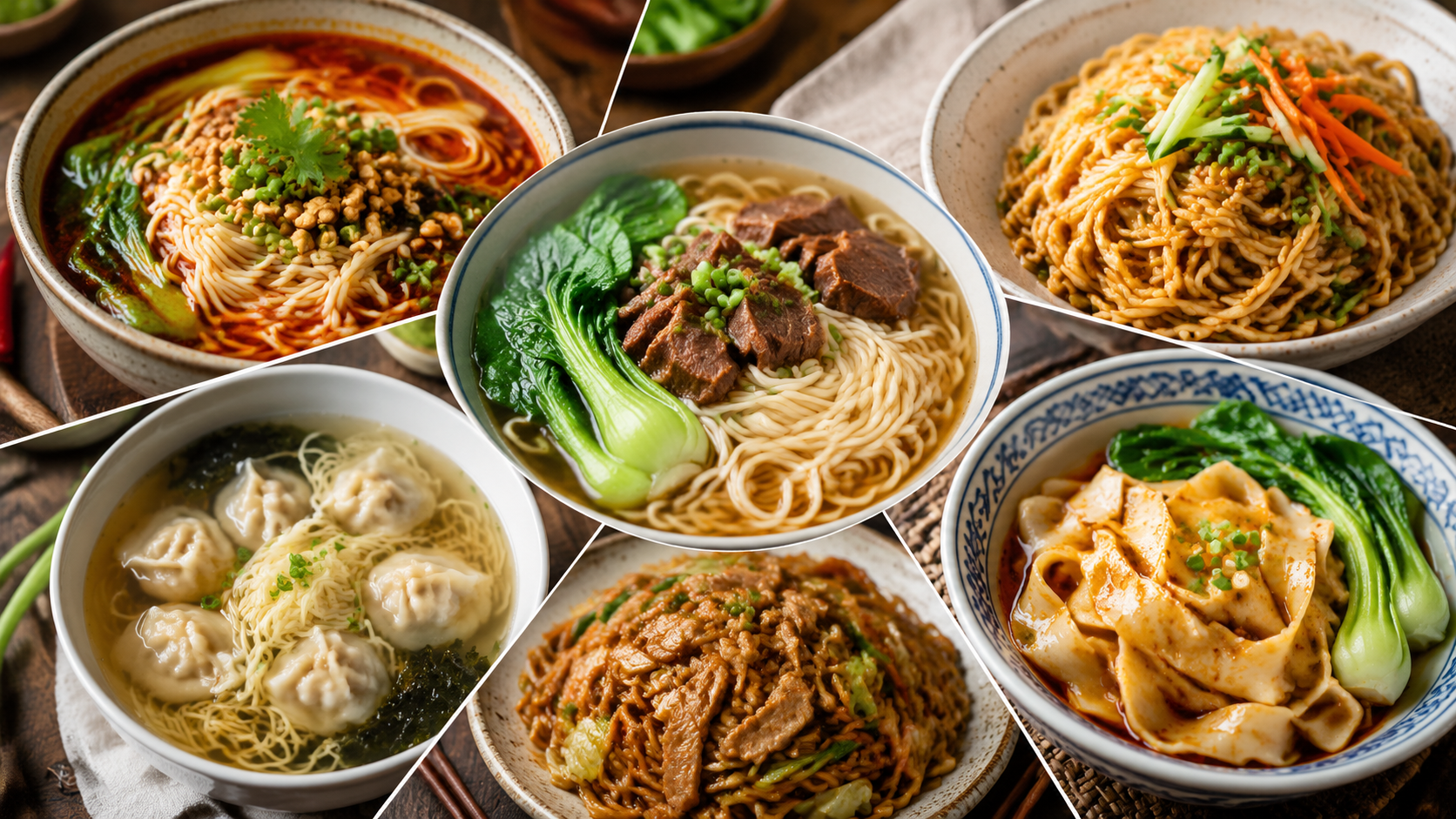
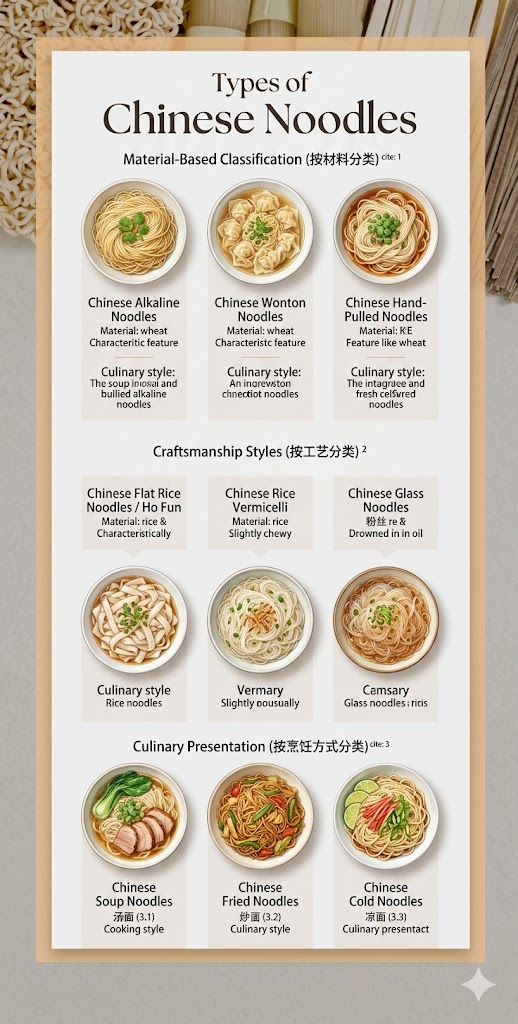
Chinese noodle culture spans over 4,000 years. It is a rich culinary heritage where a simple dough can transform into hundreds of distinct textures and flavors. To truly understand these staples, one must look past the shapes and analyze them through three core dimensions: Ingredients (材料), Craftsmanship (工艺), and Culinary Style (烹饪方式).
1. By Ingredients (材料): The Structural Foundation of Texture
The foundational ingredient dictates a noodle’s elasticity, color, and ability to absorb flavors. Chinese noodles are broadly categorized into four primary ingredient profiles.
1.1 Chinese Wheat Noodles (面 - Miàn)
Predominant in Northern China, Chinese wheat noodles rely on gluten development for their signature chew, often referred to in culinary terms as the "Q-texture".
-
Chinese Alkaline Noodles (碱水面): Infused with sodium carbonate or potassium carbonate (Kansui). The alkali reacts with wheat proteins, turning them into springy Chinese alkaline wheat noodles that resist getting soggy in hot soups.
-
Chinese Egg Noodles (蛋面) & Chinese Wonton Noodles (云吞面): Popular in Cantonese cuisine. Incorporating whole eggs yields a rich aroma and a snappy, crisp bite, making thin Chinese egg noodles the perfect companion for delicate seafood broths.
1.2 Chinese Rice Noodles (粉 - Fěn)
The staple of Southern China's river valleys, made from ground rice flour and water. These Chinese rice noodles are naturally gluten-free and have a smooth, tender texture.
-
Chinese Flat Rice Noodles / Ho Fun (河粉): Broad, slippery, and flat Chinese rice noodles. Fresh varieties are highly prized for their delicate texture.
-
Chinese Rice Sticks (米粉 - Mǐfěn) & Chinese Rice Vermicelli (细米粉): Ranging from spaghetti-width to thin Chinese rice noodles. They dry well and rehydrate quickly, making them highly versatile.
1.3 Chinese Specialty & Root Starch Noodles
These varieties utilize starches extracted from tubers and beans, resulting in translucent profiles and exceptional chewiness.
-
Chinese Glass Noodles / Chinese Cellophane Noodles (粉丝): Made from mung bean starch. These thin Chinese glass noodles excel at absorbing the savory juices of braises and hot pots.
-
Chinese Sweet Potato Noodles (红薯粉): Thicker, greyish-purple strands with a dense, gelatinous chew. They are the star ingredient in Sichuan Sour and Spicy Noodles.
-
Chinese Konjac Noodles (魔芋丝): Made from the corm of the konjac plant. They are nearly calorie-free, translucent, and have a distinct, crunchy gel texture.
1.4 Modern Innovation: Chinese Instant Noodles (方便面)
A modern staple utilizing pre-cooked and dried Chinese instant wheat noodles. Accompanied by flavor packs, they deliver instant regional tastes—democratizing complex Chinese flavor profiles for quick home preparation.
2. By Craftsmanship (工艺): The Art of Mechanical Shaping
In Chinese culinary arts, how a noodle is shaped directly influences how it feels on the palate and how sauce clings to its surface. Craftsmanship alters dough elasticity and thickness.
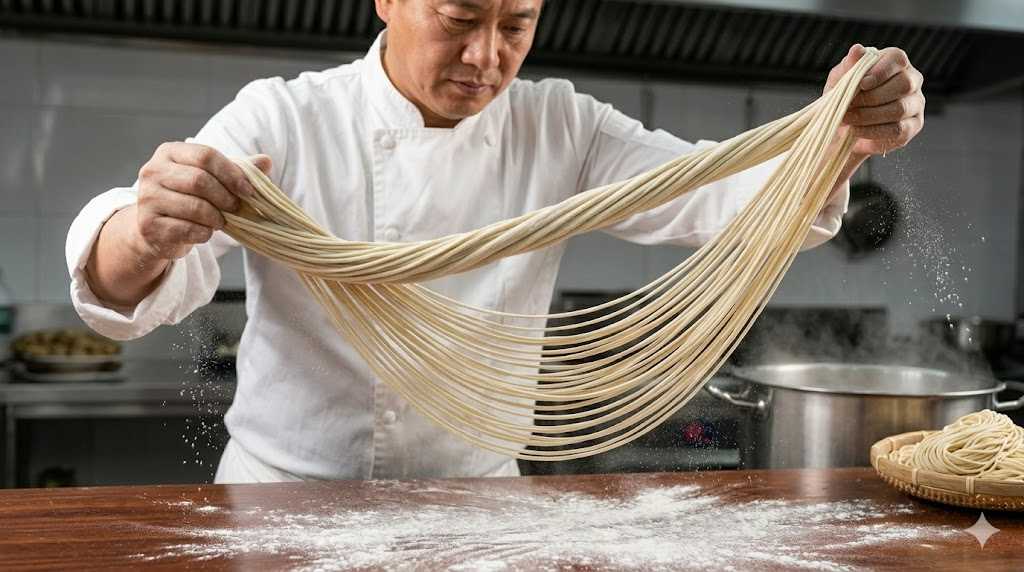
2.1 Chinese Hand-Pulled Noodles (拉面 - Lāmiàn)
Continuous stretching and twisting create uniform, silky, and highly elastic strands. A classic example is Chinese Lanzhou hand-pulled noodles.
2.2 Chinese Knife-Shaved Noodles (刀削面 - Dāoxiāomiàn)
A master chef uses a sharp blade to shave ribbons of dough directly from a block into boiling water. This leaves thick centers with paper-thin edges, creating a dynamic, thick Chinese noodle texture.
2.3 Chinese Hand-Extruded Noodles (压面 / 漏面)
Semi-liquid or dense dough is pressed through a perforated mold directly into boiling water, commonly seen in starch-based thick Chinese noodles or regional summer specialties.
2.4 Chinese Rolled & Cut Noodles (切面 - Qiēmiàn)
The most common traditional method; dough is flattened multiple times with rolling pins and sliced into precise widths, creating beautiful thin Chinese wheat noodles or flat Chinese wheat noodles like those found in Suzhou-style cuisine.
3. By Culinary Style (烹饪方式): The Final Presentation and Flavor Adhesion
The cooking method transforms the raw starch into a complete dish. The same noodle can offer a completely different experience depending on how it is prepared.
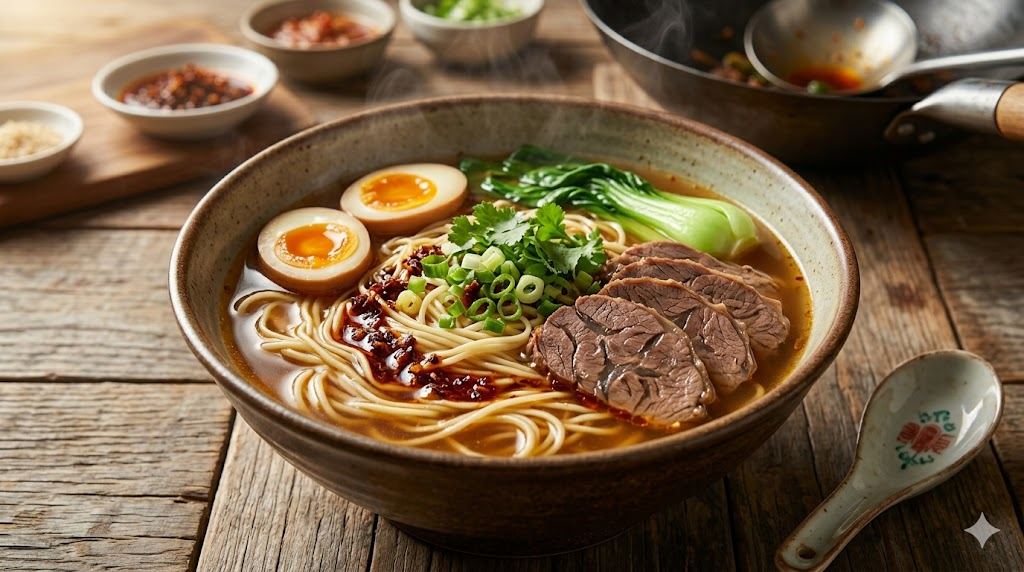
3.1 Chinese Soup Noodles (汤面 - Tāngmiàn)
Chinese wheat noodles or Chinese rice noodles served in a deep bowl of highly seasoned, slow-simmered broth.
-
The Chef's Secret: To maintain the structural integrity of Chinese soup noodles, authentic kitchens cook them in plain boiling water first, shake off the excess starch, and drop them into the serving bowl immediately before pouring the hot broth over them. This prevents the soup from clouding.
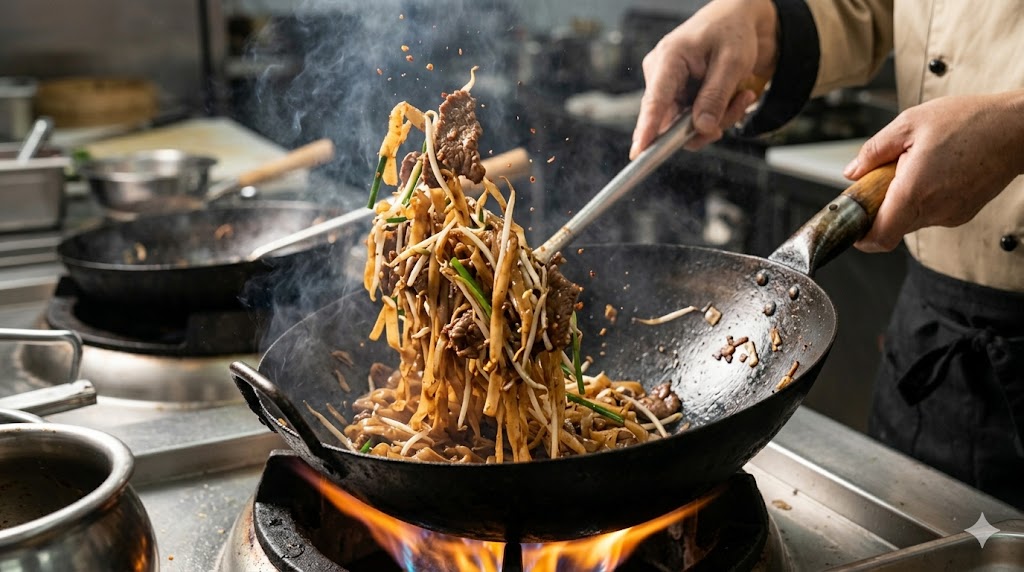
3.2 Chinese Fried Noodles & Stir-Fried Noodles (炒面/炒粉 - Chǎomiàn/Chǎofěn)
Cooked over intense heat in a seasoned cast-iron wok with meats and vegetables, resulting in savory Chinese fried noodles.
-
The Element of Wok Hei: A world-class dish—like Cantonese stir-fried flat Chinese rice noodles (Beef Chow Fun)—requires Wok Hei (锅气), or "breath of the wok." For Chinese crispy noodles or crispy Chinese noodles variations, the strands are pan-fried until golden before being smothered in a rich gravy.
3.3 Chinese Sauce-Tossed & Chinese Cold Noodles (拌面/凉面 - Bànmiàn/Liángmiàn)
Drained noodles served warm or chilled, tossed in concentrated sauces, oils, and pastes.
-
Flavor Adhesion: Because there is no broth to dilute the profile, Chinese cold noodles and sauce-tossed noodles rely on the noodle's surface starch to bind heavy sauces, such as the sesame paste in Wuhan Hot Dry Noodles or the savory pork paste in Chinese Zha Jiang Mian.
💡 Pro-Tip for Food Travelers & Home Cooks
When pairing noodles with sauces, remember this culinary rule of thumb: Thick Chinese noodles (like Chinese knife-shaved noodles) pair best with heavy, chunky meat sauces because their dense texture won't be overpowered. Conversely, thin Chinese noodles (like Chinese rice vermicelli or thin Chinese egg noodles) belong in light broths or delicate stir-fries where they won't absorb too much liquid and turn mushy.